
Grande Lakes Orlando Sale: What the $1.38 Billion Deal Says About Orlando’s Luxury Hotel Market
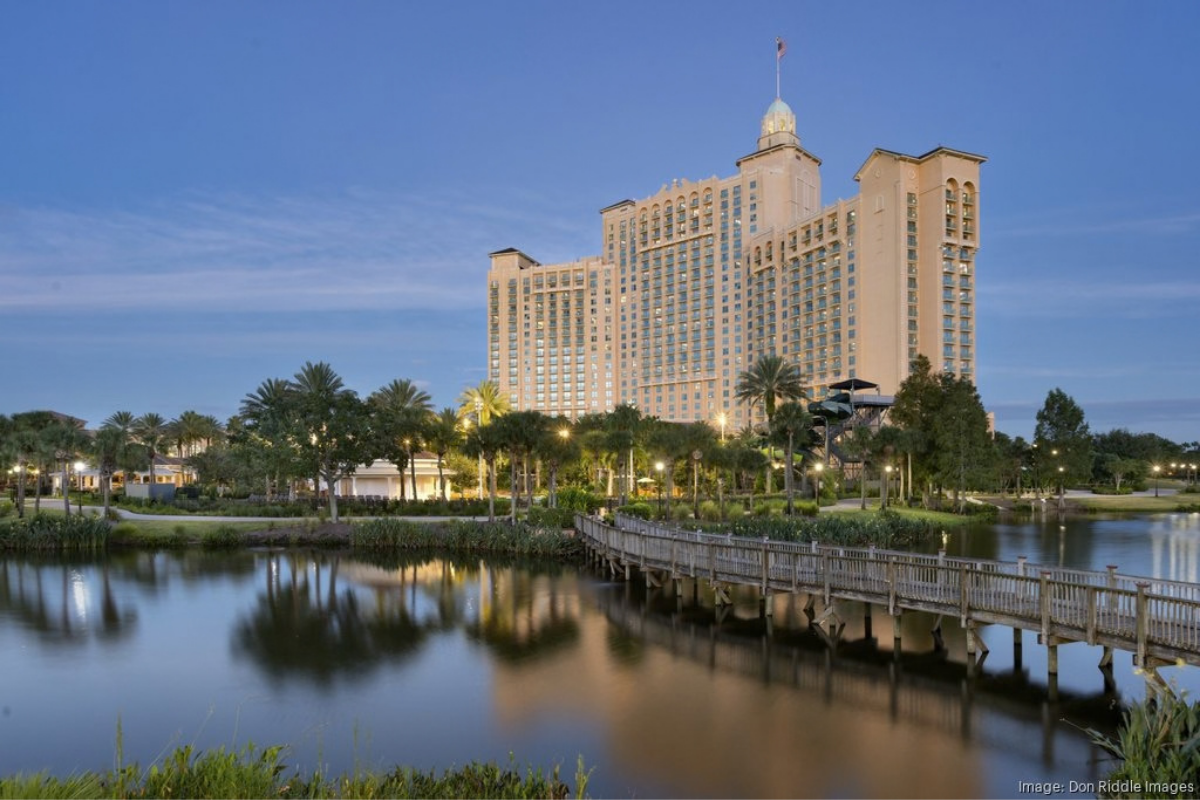
“Orlando continues to become more of a luxury destination.”
That observation may be one of the most important takeaways from the Grande Lakes Orlando sale.
The numbers alone are eye-catching. Ryman Hospitality Properties acquired the sprawling Grande Lakes Orlando resort complex for approximately $1.38 billion, making the transaction one of the largest resort deals Orlando has ever seen.
But the bigger story is what investors are willing to pay for high-end hospitality assets in Central Florida.
Grande Lakes combines nearly 1,600 luxury hotel rooms, hundreds of acres of land, major convention facilities, golf, restaurants, a spa and resort amenities in one of the most visited tourism markets in the country.
Its record-setting sale suggests investors increasingly see Orlando as more than a market built around affordable family vacations.
The region is continuing to develop as a luxury hospitality, convention and meetings destination.
Text Phil Kruse at 407-782-8276 or Contact Him Here
Key Takeaways
Here are some of the most important numbers and trends surrounding the transaction:
- Ryman Hospitality Properties completed its acquisition of Grande Lakes Orlando for approximately $1.38 billion.
- The resort includes the 1,010-room JW Marriott Orlando, Grande Lakes and 582-room Ritz-Carlton Orlando, Grande Lakes.
- The transaction works out to approximately $867,000 per hotel room.
- Trinity Investments acquired Grande Lakes in 2018 for approximately $870 million.
- At least $119.8 million was invested in renovations between 2019 and 2023.
- Ryman plans to keep both hotels under Marriott International management.
- Grande Lakes gives Ryman a major position in Orlando's convention and group-travel market.
- The sale reinforces growing investor interest in high-end hotels and resort properties.
- JLL reported that hotel transaction volume across the Americas increased 27% in 2025.
- The transaction highlights Orlando's continued evolution toward a broader luxury tourism economy.
Text Phil Kruse at 407-782-8276 or Contact Him Here
What Exactly Did Ryman Buy?
Grande Lakes Orlando is much more than a hotel.
The property functions as a large-scale resort campus covering more than 400 acres and includes two major luxury hotels:
- The 582-room Ritz-Carlton Orlando, Grande Lakes
- The 1,010-room JW Marriott Orlando, Grande Lakes
Together, the two properties contain 1,592 hotel rooms.
The campus also features a championship golf course, extensive meeting and event facilities, a major spa, a waterpark and numerous restaurants and bars.
Ryman has said the resort offers approximately 320,000 square feet of meeting and event space, an especially important feature given the company's focus on large convention-oriented resorts.
That helps explain why Grande Lakes was an attractive acquisition.
Ryman is not simply buying hotel rooms.
It is acquiring an entire hospitality ecosystem capable of serving leisure travelers, luxury guests, conventions, corporate meetings and large groups.
$1.38 Billion Makes This a Major Orlando Hotel Deal
The size of the Grande Lakes Orlando sale is what initially attracts attention.
At $1.38 billion, the acquisition works out to approximately $867,000 per key, or hotel room.
That places the transaction in rare territory.
It is not the highest per-room hotel transaction Orlando has seen. The Four Seasons Resort Orlando at Walt Disney World previously commanded a significantly higher per-key valuation.
Grande Lakes is different, however, because of its sheer scale.
Buying almost 1,600 rooms in a single luxury resort transaction requires an enormous amount of capital.
Ryman's regulatory filings indicated that the purchase represented approximately 12.5 times the property's trailing Adjusted EBITDAre through June 30, 2026, with an indicated capitalization rate of approximately 6.6%.
Those numbers provide another perspective on the transaction.
This was not simply a buyer paying for prestigious hotel brands.
Ryman was acquiring a significant income-producing hospitality asset.
Trinity's Eight-Year Investment Strategy Paid Off
The transaction becomes even more interesting when viewed in the context of Grande Lakes' previous ownership.
Trinity Investments acquired Grande Lakes Orlando in 2018 for approximately $870 million.
Between 2019 and 2023, at least another $119.8 million was invested in renovations across the resort.
Guest rooms were refreshed.
Restaurants were updated.
Pool areas were improved.
Hotel lobbies and other public spaces also received significant investment.
Approximately eight years after the acquisition, Grande Lakes sold for $1.38 billion.
The headline difference between the 2018 purchase price and the 2026 sale price is about $510 million.
That does not mean Trinity earned $510 million in pure profit. Capital improvements, financing expenses, transaction costs, ownership structures and other factors all influence actual investment returns.
Still, the increase in asset value is significant.
The transaction provides an example of a classic value-add real estate strategy: acquire a high-quality asset, invest heavily in improving it, strengthen its competitive position and eventually sell into a market where institutional buyers place a premium on well-positioned properties.
Why Ryman Hospitality Wanted Grande Lakes Orlando
Ryman Hospitality Properties already specializes in large, high-end resorts centered on meetings and group travel.
That makes Grande Lakes a natural strategic fit.
Ryman has said the acquisition expands its ability to rotate convention and group customers among its properties while increasing its presence in what it describes as the nation's largest meetings market.
That is an important part of the transaction.
Orlando is not only competing for families visiting theme parks.
It is also one of the country's most significant convention and business-event destinations.
Grande Lakes can participate in both sides of that economy.
A family can spend a week at the resort while visiting Central Florida attractions.
At the same time, a corporation can bring hundreds or thousands of attendees into the property for meetings and events.
That combination helps diversify demand.
For a hospitality REIT such as Ryman, diversified demand can make an asset particularly attractive.
Marriott Is Staying in Place
One detail that may matter to guests is what happens to the hotel brands after the sale.
Ryman has said the property will continue to be operated by Marriott International under the JW Marriott and Ritz-Carlton brands.
While ownership has changed, the hotel identities remain.
That matters because brand recognition carries substantial value in luxury hospitality.
Guests know what to expect from a Ritz-Carlton.
Meeting planners understand the JW Marriott product.
Loyalty-program members already have established relationships with Marriott.
Changing the underlying real estate owner therefore does not require disrupting those customer relationships.
For Ryman, the arrangement allows the company to acquire the property while retaining two globally recognized hotel brands.
Location Is Another Major Part of the Value
Grande Lakes also benefits from its position within Orlando's tourism corridor.
The resort sits on Central Florida Parkway and is only several miles from Universal's Epic Universe.
It is also within reach of Walt Disney World, SeaWorld Orlando, the Orange County Convention Center and Orlando International Airport.
That matters because major resort real estate is heavily influenced by accessibility.
Grande Lakes can draw demand from several sources at once:
- Theme park tourism
- Conventions and trade shows
- Corporate meetings
- Luxury leisure travel
- Golf
- Weddings and special events
- Spa and wellness tourism
- Food and beverage experiences
That provides a broader demand base than relying on a single attraction or travel segment.
Orlando Is Becoming More of a Luxury Destination
This may be one of the most important long-term trends behind the transaction.
Orlando has long had luxury resorts.
But the market increasingly offers experiences aimed at travelers willing to spend significantly more on lodging, dining, wellness and personalized service.
That creates a different type of tourism economy.
A visitor staying at a luxury resort is not simply purchasing a hotel room.
That guest may also spend on:
- Fine dining
- Spa treatments
- Golf
- Premium experiences
- Meetings and events
- Poolside food and beverage
- Extended resort stays
That spending can dramatically increase the economic value associated with each visitor.
Investors pay close attention to those trends.
When institutional buyers are willing to deploy more than $1 billion into a single Orlando resort complex, they are making a long-term bet on the market's ability to continue generating premium hospitality demand.
The Broader Hotel Investment Market Is Heating Up
Grande Lakes was not sold in isolation.
The wider hotel investment market has also been gaining momentum.
JLL reported that transaction volume in the Americas increased 27% in 2025.
The firm has pointed to improving debt markets, substantial investor capital waiting to be deployed and renewed confidence in hotel real estate as factors that could support additional activity.
That context matters because hotels are capital-intensive investments.
Large acquisitions often depend on buyers being able to raise enormous amounts of debt and equity under terms that make the economics work.
Ryman's Grande Lakes acquisition is a good example.
The company used a combination of financing sources to fund the deal, including senior notes, proceeds from an equity offering and cash.
That demonstrates how much financial infrastructure sits behind a transaction of this scale.
The Per-Room Number Tells Only Part of the Story
The roughly $867,000-per-room figure is likely to remain one of the most widely cited numbers from the transaction.
It is useful, but it does not tell the whole story.
Grande Lakes includes far more than guest rooms.
The buyer is also acquiring land, restaurants, meeting facilities, recreational amenities, golf and other revenue-producing components.
That is why comparing hotel transactions purely on a per-key basis can sometimes be misleading.
A 500-room hotel with minimal amenities and a 500-room luxury destination resort may have the same number of rooms, but they are not economically identical assets.
The more important question is what all of those facilities can collectively generate.
That broader revenue potential may help explain why Ryman was willing to make such a substantial investment.
What This Sale Says About Orlando Commercial Real Estate
The transaction sends several signals to anyone following Central Florida real estate.
First, investors continue to show a strong appetite for exceptional hospitality assets.
Second, quality matters.
The investment market does not necessarily treat every hotel equally. Luxury resorts with strong brands, extensive amenities and highly desirable locations can occupy a very different category from older or lower-tier properties.
Third, Orlando's tourism economy continues to attract large institutional investments.
That matters beyond hotels.
Tourism supports restaurants, retail, entertainment, multifamily development, convention facilities and other commercial real estate throughout the region.
A $1.38 billion acquisition reflects a substantial long-term investment thesis about Orlando's future.
The Epic Universe Effect Is Worth Watching
Universal Epic Universe adds another factor worth monitoring.
Grande Lakes sits only a few miles from Universal's newest theme park.
That does not mean Epic Universe caused the transaction.
Grande Lakes was already an established luxury resort and meetings destination long before the park opened.
However, major new attractions can strengthen the broader tourism ecosystem around them.
New parks can increase visitation.
They can encourage repeat trips.
They can generate demand for nearby accommodations.
They can also extend the amount of time visitors spend in the destination.
For an investor making a long-term bet on an Orlando resort, continued theme park investment represents another potentially important demand driver.
This Deal Is About More Than One Luxury Resort
The Grande Lakes Orlando sale is a headline-grabbing real estate transaction.
Its significance, however, extends beyond the boundaries of the property.
The transaction provides insight into how major investors view Orlando.
They see a tourism market capable of supporting premium room rates.
They see a convention market capable of filling enormous hotels.
They see billions of dollars flowing into new attractions and entertainment.
And they see luxury hospitality becoming an increasingly important part of Central Florida's identity.
That does not mean every Orlando hotel will experience the same rise in value.
Different segments face different market conditions and challenges.
At the upper end of the market, however, Grande Lakes provides a powerful data point.
A sophisticated institutional buyer was willing to spend $1.38 billion to own the resort.
That makes the transaction more than just another hotel sale.
It represents a significant investment in Orlando's future as a luxury and group-travel destination.
What Should Orlando Investors Watch Next?
Anyone following Central Florida real estate should look beyond the headline sale price.
The next developments may reveal whether the Grande Lakes transaction reflects a broader trend.
Important indicators to watch include:
- Additional luxury hotel transactions
- Upper-tier room rates and occupancy
- Convention and group travel demand
- Development around Epic Universe
- New investment throughout Orlando's tourism corridor
- Institutional investment activity in hospitality real estate
Those signals may help determine whether Grande Lakes was an extraordinary stand-alone transaction or part of a larger shift in Orlando's hospitality market.
The larger question is worth watching:
Is Orlando simply adding more luxury hotels, or is the entire tourism market moving upscale?
Text Phil Kruse at 407-782-8276 or Contact Him Here